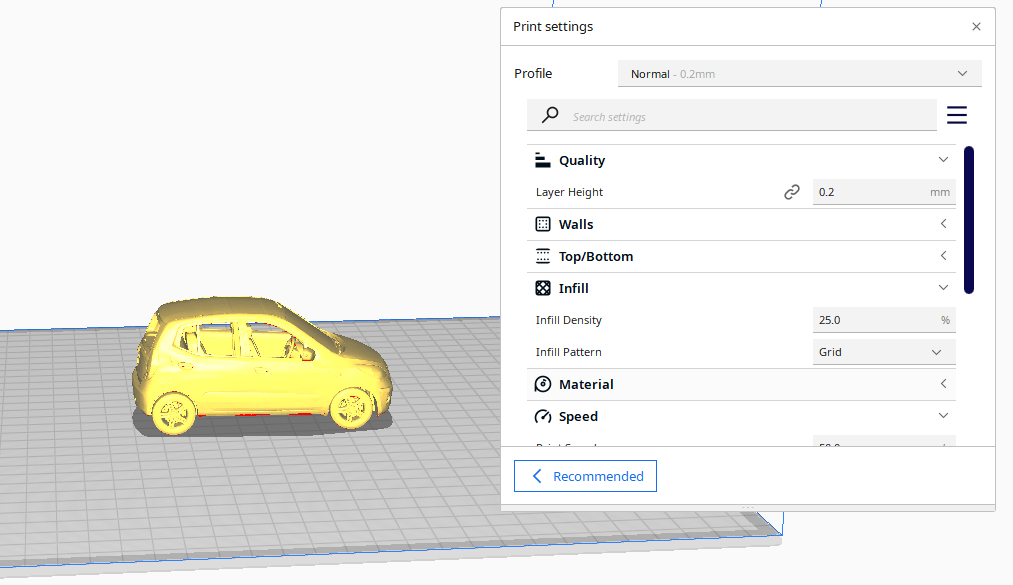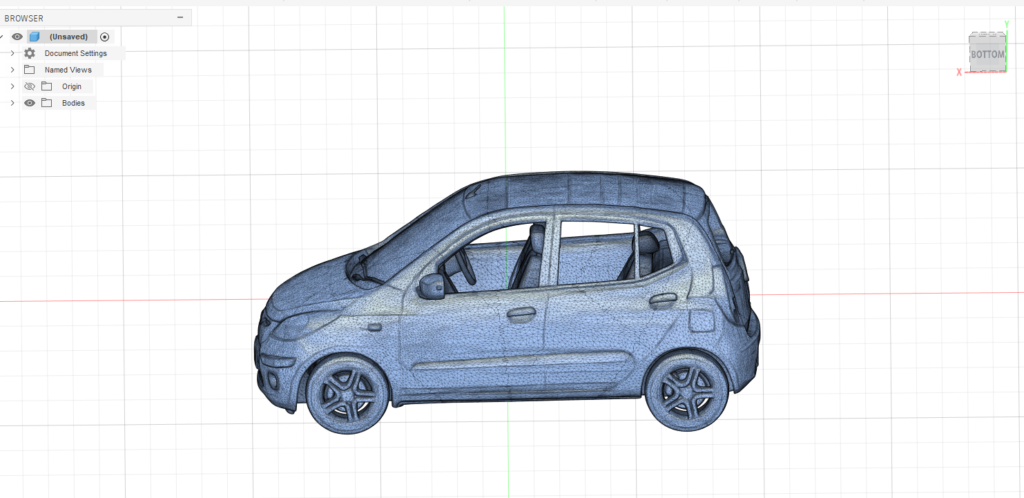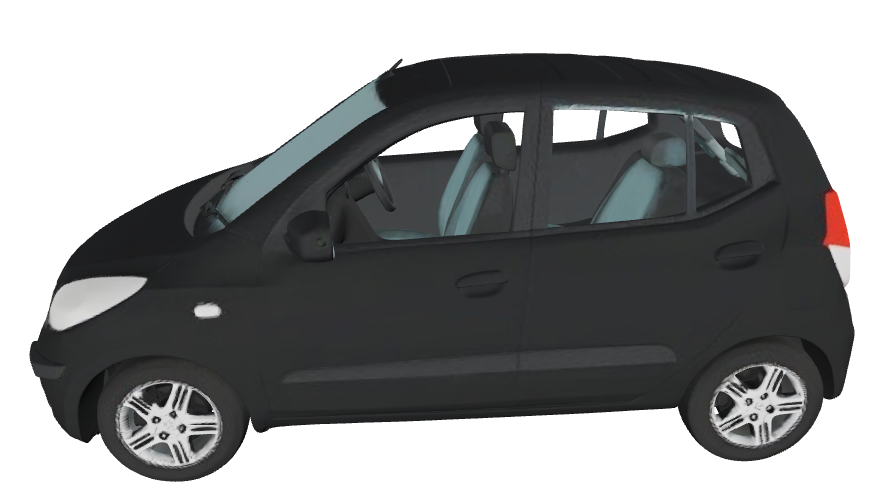

Remember when turning a photo into a 3D model meant weeks of frustrating software tutorials and results that looked like they’d been put through a blender?
Those days are rapidly becoming ancient history. The AI revolution that transformed how we generate text and images is now working its magic on the third dimension, and the results are genuinely mind-blowing.
The Magic Behind the Curtain
Here’s the simplified version of what’s happening when you upload that vacation snap and get back a rotatable 3D model:
Modern AI systems trained on millions of 3D objects have essentially developed “spatial intuition.” They look at your flat photo and think, “Ah, that’s a shoe. Shoes have soles, laces, and structure behind what I can see.” The AI then reconstructs the hidden geometry based on everything it’s learned about how objects in that category are shaped.
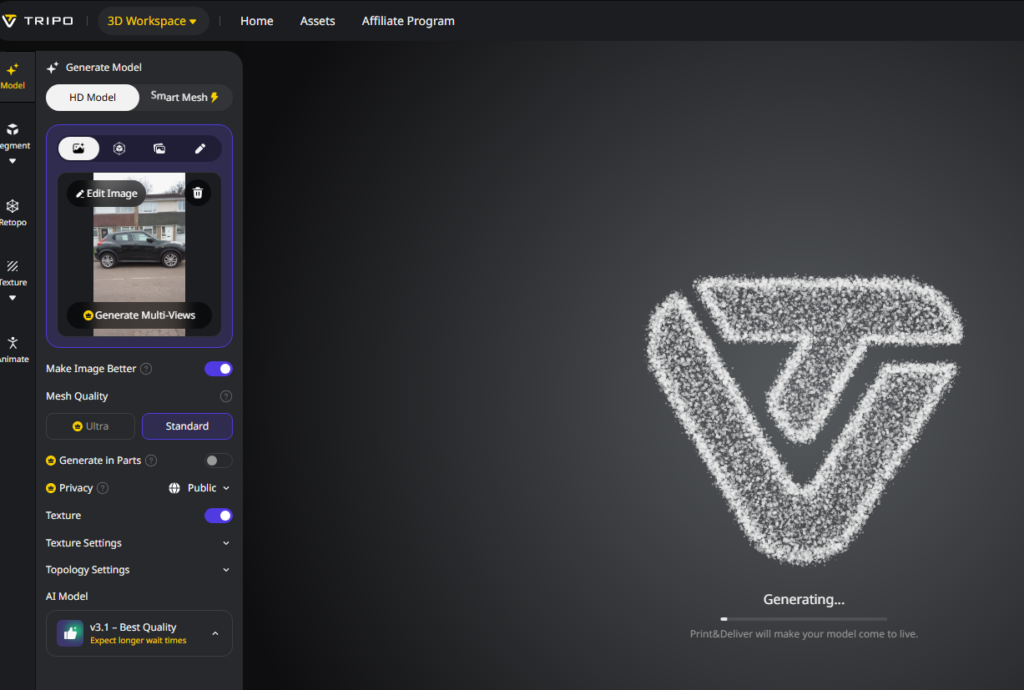
Some systems use multiple photos from different angles to triangulate more accurate geometry. Others can work their magic from just one image by recognizing familiar objects and applying “prior knowledge” about how they’re built.
The Current State of Play
The landscape is evolving faster than anyone predicted. A few months ago, we were squinting at blocky results that vaguely resembled the original subject. Today, we’re seeing:
-
Texture mapping that actually respects the original photo’s lighting
-
Background removal that doesn’t look like it was done with safety scissors
-
Realistic topology that 3D printers can actually work with
-
Processing times that dropped from hours to minutes
Tools like Luma AI’s Genie, Rodin, and Meshy are pushing the boundaries of what’s possible. Even established players like NVIDIA are getting in on the action with research that turns short video clips into detailed 3D scenes.
Real-World Uses You Can Try Today
E-commerce entrepreneurs are using these tools to create 360-degree product views without expensive photography rigs. Take photos of your product from all sides, feed them through an AI model, and customers can spin it around like they’re holding it in their hands.
Game developers are prototyping assets at unprecedented speed. Need a background prop? Snap a photo, convert it, drop it into your scene. The quality might need refinement for final release, but for blocking out levels and testing ideas? Game-changer.
Hobbyist 3D printers are capturing memories in ways photos never could. Print that child’s favorite toy before it breaks. Create miniature versions of family heirlooms. The barrier between “I wish I had a 3D model of this” and “I do” has never been lower.
The Honest Truth About Limitations
Let’s be real—we’re not at Star Trek replicator levels yet.
Complex geometry still confuses AI. Try to model a fork, and you might get prongs that merge together. Shiny or reflective surfaces create hallucinations. Transparent objects? Good luck.
Most consumer tools produce models that need cleanup in traditional 3D software before they’re production-ready. Think of current AI as creating an incredibly detailed rough draft rather than a finished masterpiece.
Where We’re Headed
The trajectory is unmistakable. Within the next couple of years, your phone will likely capture 3D models as easily as it takes photos. Apple’s LiDAR scanner in newer iPhones is already hinting at this future.
For creators, this means the skill of “3D modeling” will shift from technical execution to artistic direction. Instead of asking “how do I build this,” we’ll ask “how should this look” and let AI handle the heavy lifting.
Getting Started
If you want to jump in today, start with something simple. A coffee mug. A pair of shoes. An object with clear form and minimal complexity. Use Luma’s web interface or download Meshy and see what happens. The results might surprise you.
The gap between capturing reality and creating in three dimensions is closing faster than anyone predicted. And the best part? You don’t need a computer science degree or years of 3D experience to be part of it.
Just a photo, a curious mind, and a willingness to watch your flat images take on depth.
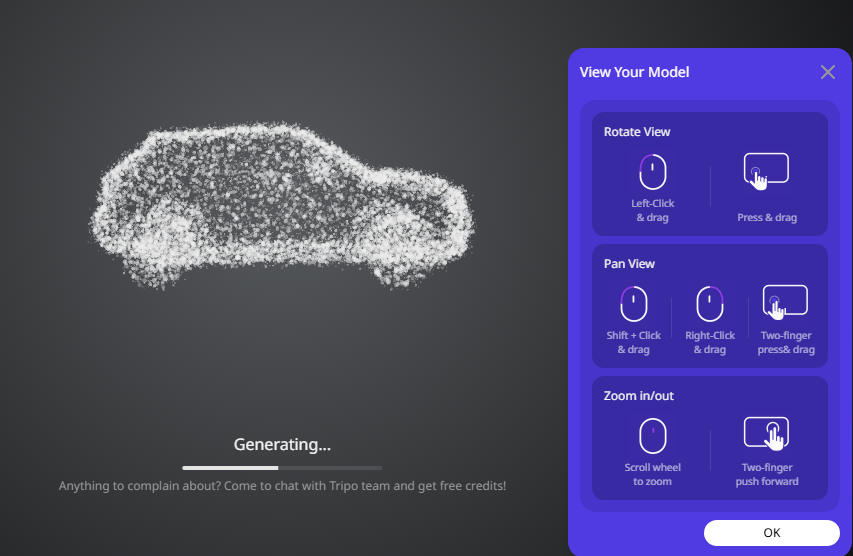
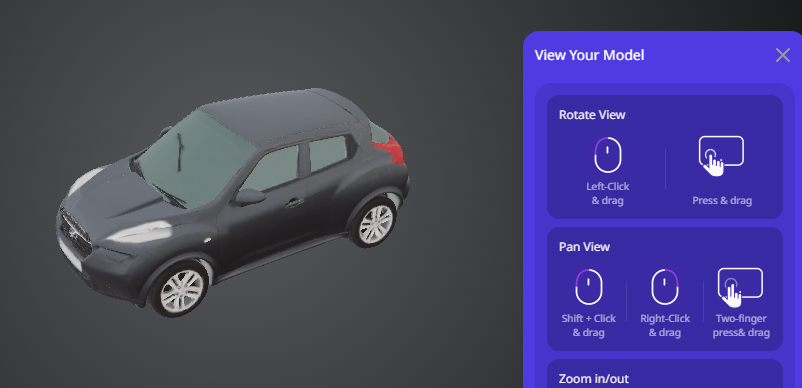
This car model was created with photos using Tripo Studio.